
From Downloads to Browser Play: How Online Game Delivery Has Changed
Digital game delivery has changed significantly since the era when every title required a separate download and manual installation. Browser technologies, cloud services, responsive interfaces, and centralized catalogs have made access more flexible. Those changes are technical, not mathematical: easier delivery does not alter the uncertainty of a casino game. A useful editorial article can trace the shift in distribution while keeping product mechanics and financial outcomes separate.
Downloads Once Defined the User Experience
Traditional desktop software often required an installer, local storage, and manual updates. Compatibility depended heavily on the operating system and available hardware. Users needed to understand where files were stored and how patches were applied.
That model gave the application direct access to local resources but also created maintenance work for both developers and users. Distribution was a major part of the product experience.
Browser Delivery Centralizes More of the Process
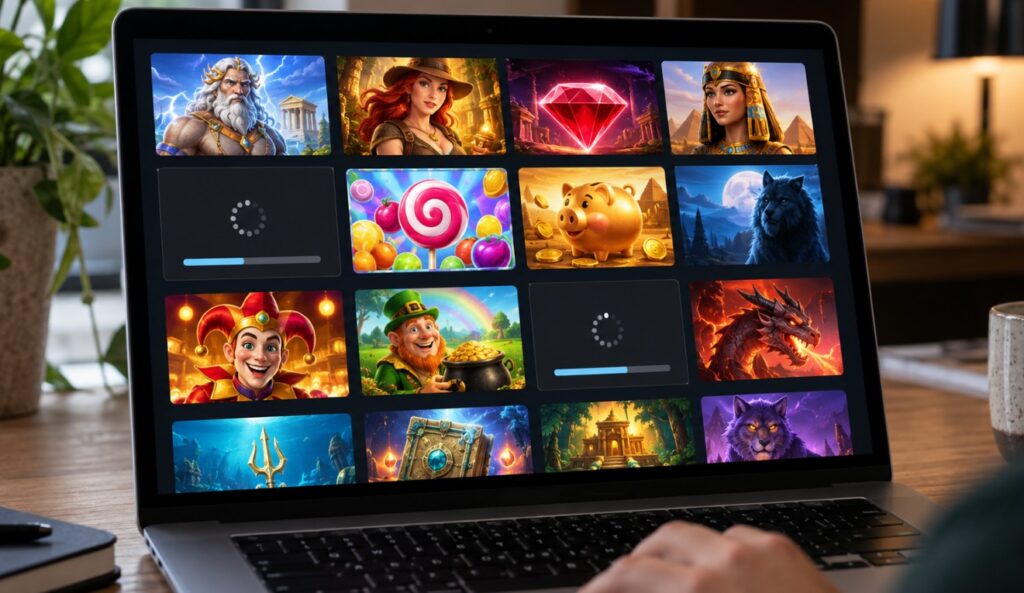
Modern web applications can deliver updates from the server and adapt to different screen sizes without a separate package. A collection of slot games can therefore live inside one catalog that links to multiple providers or web-based experiences.
Browser access reduces installation steps, but it still depends on network quality, browser support, and device performance. It should not be described as universally faster without testing.
Compatibility Information Still Matters
A web title may require specific browser features, orientation, or hardware capabilities. Those requirements should be communicated before the user encounters a failure. Clear error messages are part of compatibility design.
When a title is unavailable on a device, the interface should describe the limit rather than imply that the user made a mistake. Good documentation reduces unnecessary troubleshooting.
Updates Need Visible Version Context
Centralized updates can happen quickly, which means screenshots and old descriptions may become outdated. Editorial content should include publication dates and avoid assuming that an older interface still matches the current version.
If a technical feature is important to the article, it should be checked in the live product or current documentation before being described as active.
The Main Page Is a Distribution Hub
The navigation at million.ro can be viewed as a hub that directs users to categories and information. It does not reveal every delivery technology used by each game provider. A platform may combine different implementations behind one visual catalog.
This is why technical articles should separate what belongs to the service layer from what belongs to an individual game.
Centralized Delivery Changes the Meaning of an Update
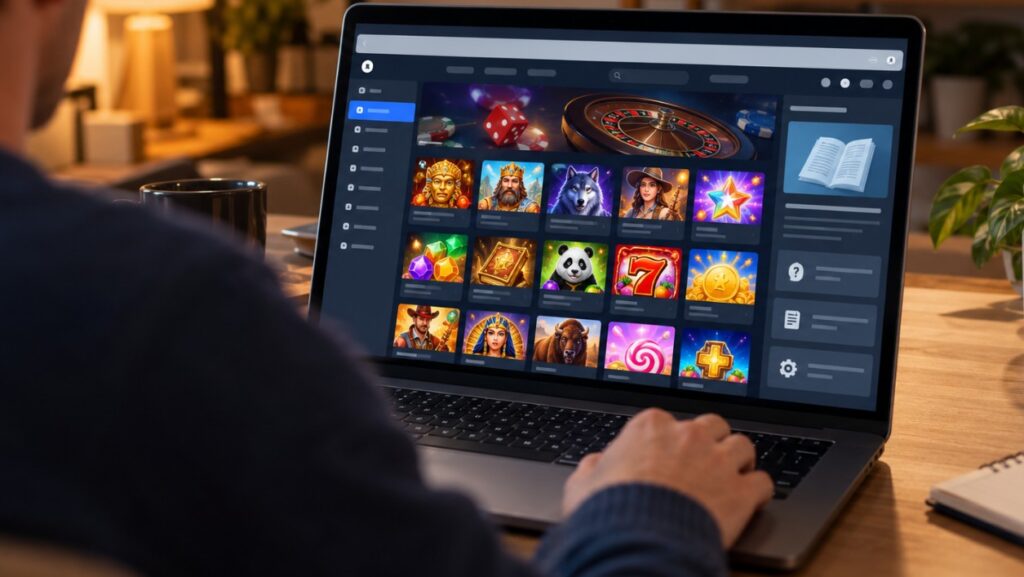
Downloaded games once required users to replace local files when a new version appeared. Browser delivery moves much of that process to the service side, but updates can still affect compatibility, controls, or saved state. An interface should communicate meaningful changes when they affect how adults access or understand a product.
This shift also increases the importance of current documentation. A guide written for an earlier version may no longer match the live interface. Editorial content should therefore avoid treating an old screenshot or procedure as permanent evidence.
With downloaded software, users once managed installation files and local updates. Browser-based delivery moves more responsibility to the service, but users still depend on clear compatibility information and reliable session handling. A failed load should be explained as a technical state rather than left as a blank screen.
This evolution makes help content part of the delivery experience. Current troubleshooting guidance is more useful than nostalgic assumptions about how older desktop software behaved.
The transition to browser delivery also changes support expectations. Troubleshooting should reflect current browser behavior, device limitations, and session recovery rather than assuming that reinstalling local software will solve every problem. Clear, dated guidance gives users a more realistic route to technical help.
Delivery Convenience Does Not Change Chance
Browser access can make a product easier to open, but it does not improve odds, predict results, or provide a strategy for winning. The delivery model concerns compatibility, updates, and interface behavior.
That distinction keeps the article grounded. It can describe the evolution from downloads to browser play in detail while treating casino games as adult entertainment with uncertain outcomes.