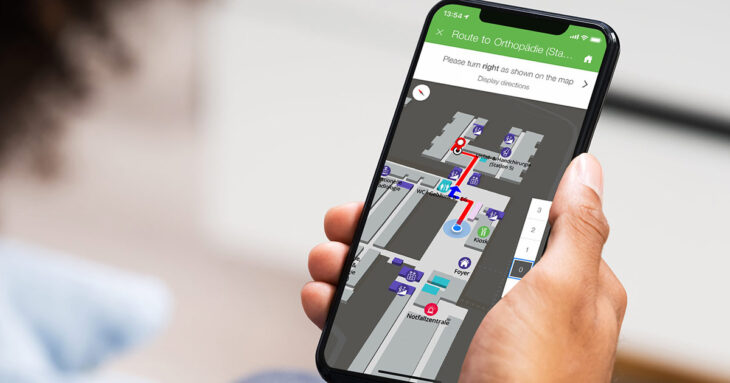
Indoor Navigation in Large Venues – How Maps Can Become More Than Simple Directions
Large venues are exciting until you are late, turned around, and staring at three identical corridors. Airports, hospitals, malls, stadiums, campuses, and exhibition halls all face the same challenge: people need to move with confidence.
That is where indoor navigation becomes more than a convenience. A good map can reduce stress, guide foot traffic, support accessibility, promote services, and help venue teams understand how spaces are used.
In other words, the map becomes part of the experience, not just something people open when they are lost.
Why Large Venues Need Smarter Wayfinding
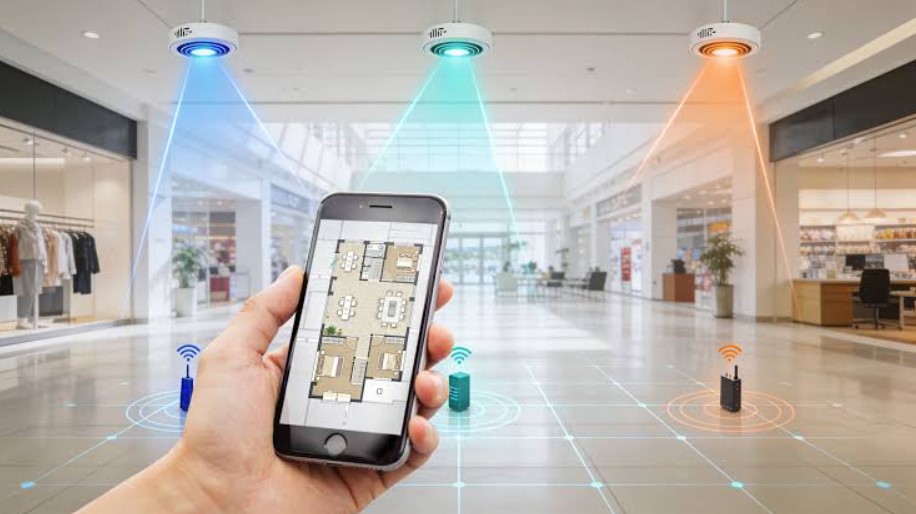
Outdoor navigation feels effortless because GPS usually does the hard work. Indoors, that changes. Walls, floors, elevators, dense materials, and complex layouts can interfere with satellite signals, which is why indoor positioning systems are used where GPS is unreliable.
For visitors, the technology behind the blue dot is not the main point. They care about reaching Gate B18, cardiology, the right conference room, or their seat before the event starts. Smart wayfinding removes that friction.
It can show the best entrance, avoid closed areas, suggest accessible routes, and update instructions when conditions change. In a large venue, that small bit of clarity can change the mood of the visit.
From Static Floor Plans to Living Venue Maps
Old floor plans were useful, but they were passive. They showed information, then left the visitor to interpret it. Modern digital wayfinding is different because it combines interactive maps, navigation software, digital signage, mobile devices, and real-time data to guide people through complex indoor spaces.
Think about the difference between a printed mall directory and an indoor map that understands where someone is, where they want to go, and what is happening nearby.
The second one is not just prettier. It is more useful. It can adjust around a closed escalator, show the nearest restroom, highlight available services, and help people explore without feeling overwhelmed.
For venue owners, the map becomes a flexible communication layer that can change with layouts, events, tenants, and safety needs.
Location Awareness Creates Better Moments
This is where mapping becomes genuinely interesting for business teams. A map does not have to wait for someone to search. With geofencing, a venue can define intelligent zones and trigger relevant digital experiences when visitors enter, leave, or pass through those areas. Visioglobe describes geofencing as a way to trigger custom experiences, proximity notifications, interactive content, and location-relevant engagement inside a venue.
A conference center could welcome attendees as they enter registration. A shopping mall could promote a nearby store only when the person is close enough for the offer to matter. A museum could launch audio or visual content beside a specific exhibit. A geofencing map makes the venue feel responsive instead of static, which is the real shift.
What Smart Maps Can Actually Do
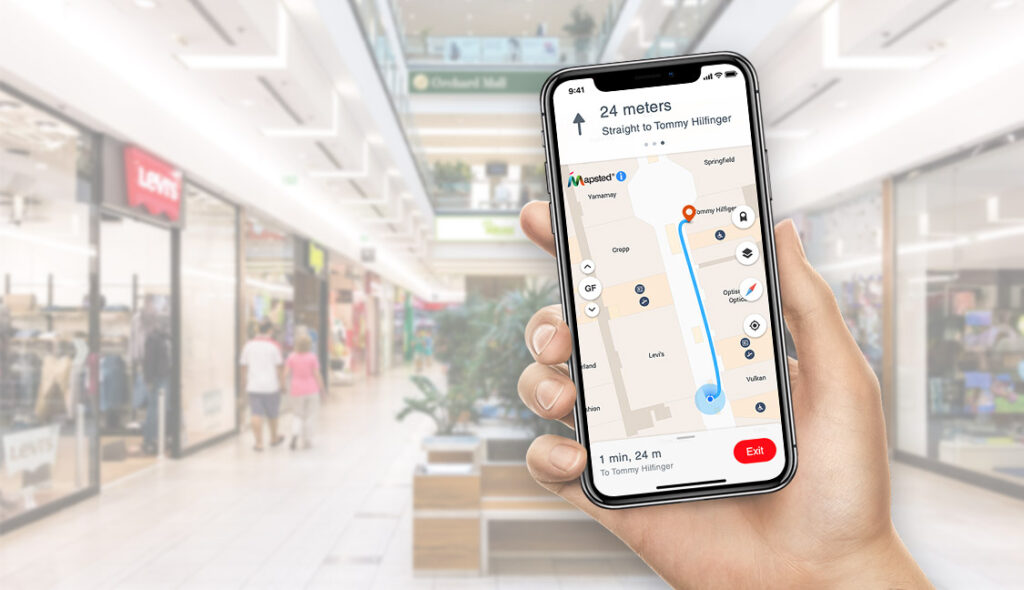
The best indoor maps are not packed with features. They solve practical problems at the exact moment people have them. That is why smart venue mapping usually works best when it connects navigation, content, operations, and analytics in one clear experience.
|
Map capability |
What it improves |
| Turn-by-turn routes | Visitor confidence and arrival time |
| Points of interest | Discovery of gates, desks, rooms, shops, and services |
| Zone-based triggers | More relevant engagement and promotions |
| Accessible routing | Better inclusion for visitors with different mobility needs |
Context is the key. A route to a restroom is useful. A route to the closest accessible restroom on the same floor is better. A route that avoids a closure is better again. That is how maps move from directions to decision support.
Better Visitor Experience Means Better Business
People remember confusion. They remember being late, asking staff for help, or walking in circles with tired kids. Large venues cannot remove every stressful moment, but they can reduce the common ones. Indoor mapping helps by making the next step obvious.
A strong visitor experience can support business goals in quiet ways:
- Fewer repeated questions at help desks
- More discovery of stores, lounges, exhibits, or services
- Better movement during peak traffic
- Greater confidence for first-time visitors
This matters because comfort influences behavior. When visitors feel oriented, they are more likely to explore. When they explore, they spend more time inside the venue and notice more of what it offers. Good navigation does not feel like marketing, but it can still create commercial value.
Operations Teams Benefit Too
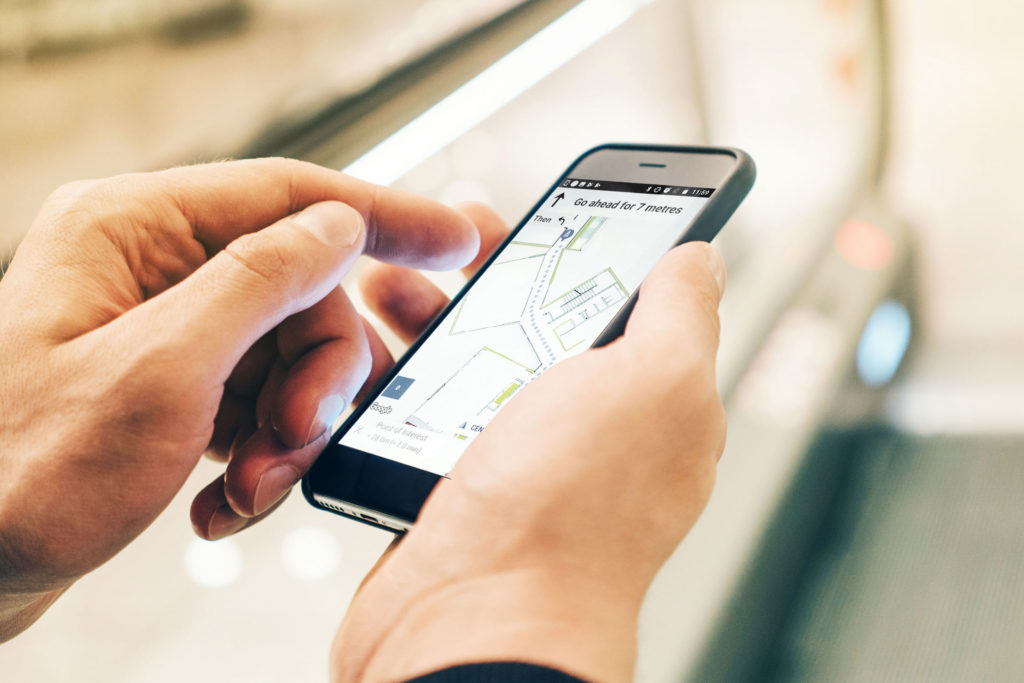
Indoor maps are just as useful behind the scenes. Facilities, security, cleaning, maintenance, and event teams all rely on accurate spatial information. When a venue map reflects real layouts, departments can coordinate faster and with fewer misunderstandings.
Imagine a maintenance team receiving a report tied to an exact location instead of “near the east entrance, maybe upstairs.” Or a stadium team using map data to understand which entrances get crowded before a match. Some indoor positioning solutions support technologies such as BLE, UWB, and Wi-Fi for use cases like turn-by-turn guidance, asset tracking, POI search, and dynamic floor plan visualization.
The real advantage is shared visibility. Everyone is looking at the same venue reality, not outdated PDFs saved on separate desktops.
Accessibility and Trust Should Be Built In
A smart map should not treat accessibility as a secondary feature. In large venues, a “shortest route” may be useless for someone who needs elevators, ramps, step-free paths, wider corridors, or quieter areas. Helpful maps should let visitors choose the route that fits their needs, not just the route that looks best mathematically.
Important point – accessible wayfinding is not only about compliance. It is about giving every visitor enough information to move independently and with dignity.
Trust matters too. Location-aware maps can be powerful, but visitors should understand what data is collected, why it is collected, and what choices they have. The best experience feels like help, not surveillance. A welcome message may be helpful. Five offers in three minutes will probably feel annoying.
When Maps Become Part of the Venue Experience
Indoor navigation matters most when it quietly removes friction. A smart map can guide visitors to the right gate, room, counter, seat, restroom, or exit without making them stop and ask for help. That is especially useful in large venues, where digital wayfinding can support real-time navigation, smoother movement, and better visitor confidence.
For venue teams, the value is just as practical. Routes can change when areas close, crowded entrances can be avoided, and accessible paths can be shown clearly. That is when indoor maps stop being simple directions and become part of how the venue works.