How Digital Payments Are Changing the Online Gaming Experience
A few years ago, the payment step in gaming was an afterthought. You entered a card number, confirmed the purchase, and went back to the game. Today, the way players pay can decide whether they buy at all. Checkout speed, the payment methods on offer, and how safe a transaction feels now shape the experience as much as the game itself.
Why the Checkout Now Matters as Much as the Game
Gaming spending has spread well beyond the price of a single title. Players now buy mobile games, full digital releases, subscriptions, and in-game items, often several times a month. Each of those purchases is a payment decision, and each one can fail. A 2026 survey of 5,000 gamers by Paysafe found that nearly two-thirds of respondents (64%) had abandoned a gaming purchase because of checkout problems. Nuvei’s Pay to Play research reported a similar pattern, with 55% of players saying they had abandoned a purchase in the past year because of a payment or checkout issue.
Those numbers point to a simple reality. When payment is slow, confusing, or declined, players do not always try again. They simply stop. For publishers and platforms, the payment flow has become part of product design.
The shift is especially visible in fast-growing markets. A Nanyang Technological University report on paid online gaming in Southeast Asia surveyed 1,500 people across five countries who had paid for online gaming in the past year. It found that digital wallets had overtaken credit cards as the primary payment method in every country studied, particularly where bank account and credit card ownership remains low.
Mobile Wallets Are Taking Over Gaming Purchases
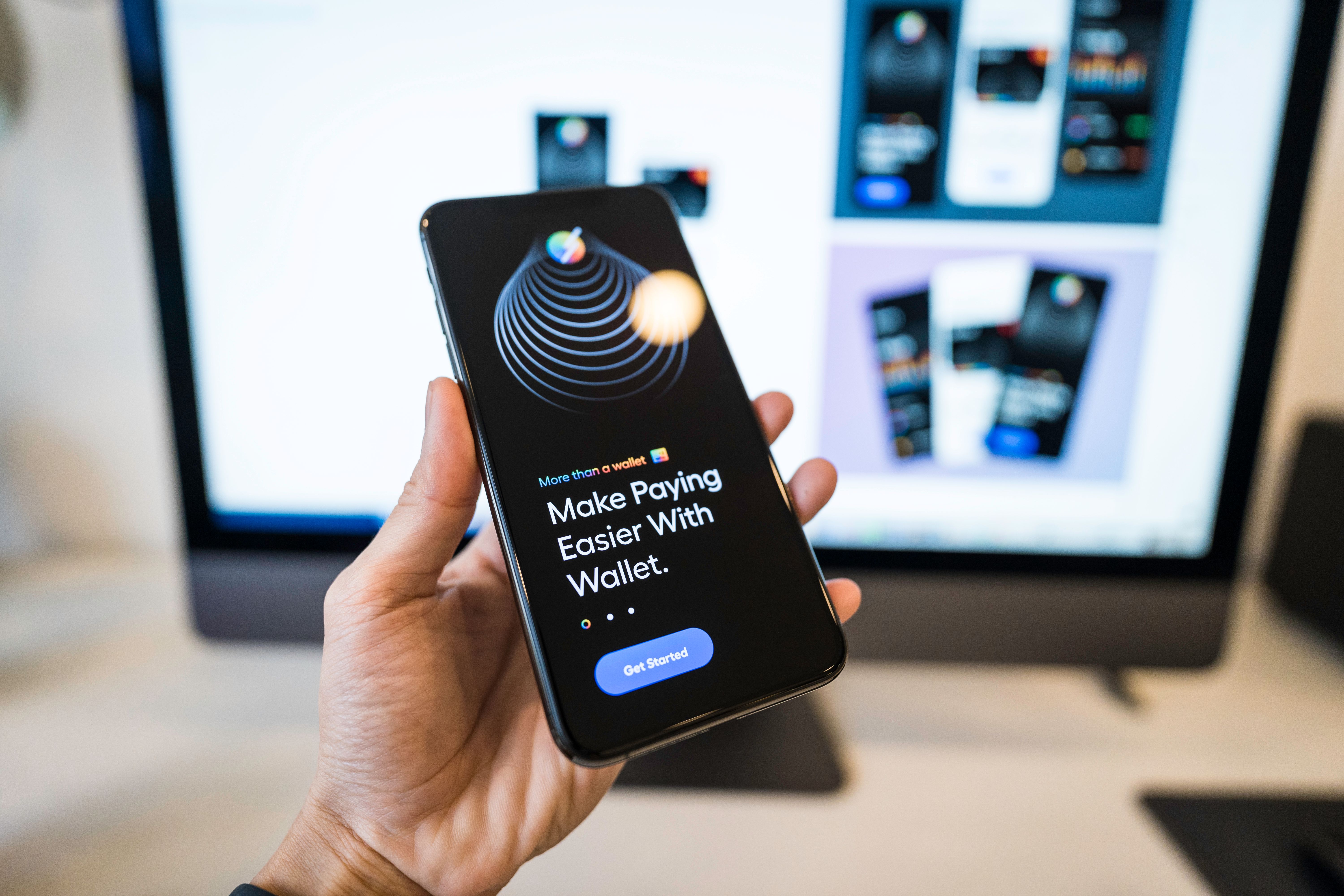
Mobile is now the main gaming platform for many players, and mobile payments follow the same trend. In the Paysafe research, mobile games were the most commonly purchased gaming product, with 53% of gamers buying one in the past 12 months. Around a third of gamers said they used mobile wallets such as Apple Pay or Google Pay for gaming purchases, and adoption was strongest among younger players. More than a quarter of gamers aged 18 to 24 said a mobile wallet was their main payment method for gaming.
Wallets also bring a practical benefit: players do not have to re-enter card details for every purchase. Tapping to confirm a payment with a saved, verified method removes friction in exactly the moment when a player is most likely to walk away. Many players also want more than one option. Debit cards are still the most common choice, but PayPal, Skrill, and other digital wallets are used widely as well, which reflects a market where players expect choice.
Crypto and Alternative Payments Enter the Picture
Cryptocurrency is one of the more debated additions to gaming payments. Some players like it for speed and for avoiding traditional card rails, while others remain cautious about volatility and regulation. In the Nuvei research, respondents were asked about their openness to stable, low-volatility digital assets for cross-border or multi-currency purchases, which shows how the question is moving from fringe to mainstream discussion.
Anyone exploring this option should read the terms carefully, compare fees and withdrawal rules, and understand how each service handles deposits. Casinous, for example, publishes a dedicated casino banking guide that explains how cryptocurrency deposits work, and it is a useful starting point for players who want to see the process laid out step by step at https://www.casinous.com/casino-banking/cryptocurrency/.
Security and Fraud Concerns Shape Every Choice
Convenience only works if players trust the transaction. The Paysafe report found that security and fraud protection is the most important factor for 36% of gamers when choosing a payment method, and 65% said concerns about fraud or scams sometimes made them hesitate before buying. Nuvei reported an even higher level of worry, with 91% of players concerned about unauthorized charges.
That concern is shaping design. Two-factor authentication, clear transaction totals, visible refund processes, and recognizable payment brands all help build confidence. Platforms that make these features obvious tend to keep players returning, while those that hide them risk losing spend to competitors that feel safer.
What the Experience Looks Like for Players

For most players, the best payment experience is one they barely notice. A purchase should take seconds, use a method they already trust, and leave them back in the game. Paysafe’s research found that 68% of gamers agree frictionless payments let them fully enjoy gaming, and 46% said they would spend more if checkout were faster or easier.
The same logic is spreading to bundled wallets that manage gaming and entertainment spending in one place. In the Paysafe survey, 84% of gamers said they would find such a wallet appealing, and 44% said they found the idea very or extremely appealing. Whether that becomes standard will depend on how well providers balance convenience with security and transparency.
Looking Ahead
Digital payments are no longer a background detail in online gaming. They influence which games players buy, how often they return, and whether they trust the platforms they use. Players gain faster and more flexible ways to pay, while publishers and operators gain a clearer path to converting interest into spending. The winners will be the businesses that treat payment as part of the player experience and make every step, from the first click to the confirmation screen, feel fast, clear, and safe.