Choosing the Right Tractor Model for a Restoration Project
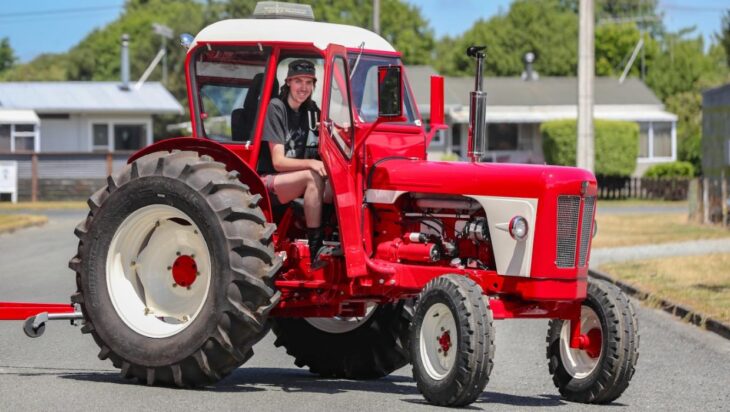
Restoring a classic tractor is a rewarding but demanding undertaking. The goal may be preservation of agricultural history, creation of a working showpiece, or personal satisfaction that comes with reviving an old machine. Success begins with model selection. That early decision influences workload, parts access, and long-term value. A smart choice prevents a project from turning costly, frustrating, or unfinished.
Defining the Purpose of the Restoration
Purpose guides the entire project. Some restorers seek full originality and factory-correct results suitable for shows or collections. Others prefer a usable tractor capable of light duties while retaining vintage character. Clear intent narrows options. Certain tractors handle regular use well due to robust construction. Others gain value mainly through historical importance or visual appeal.
Parts Availability and Model Popularity
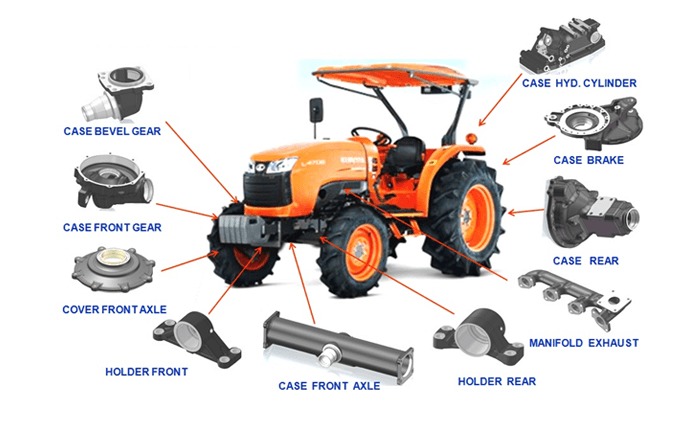
Availability plays a major role in project success. Well-known classic models gained popularity for practical reasons. Large production numbers and wide farming use created strong support networks. Spare parts, manuals, and shared knowledge remain easier to access. Rare tractors may appear attractive, yet parts scarcity and limited expertise can create delays and higher costs. Beginners usually benefit from choosing widely supported models.
Mechanical Simplicity and Ease of Work
Mechanical design affects restoration difficulty. Many older tractors use straightforward systems with little or no electronics. Engines, transmissions, and hydraulics based on proven designs allow easier repair and diagnosis. Models known for reliability and simple maintenance help reduce downtime and expenses.
Assessing Condition Realistically
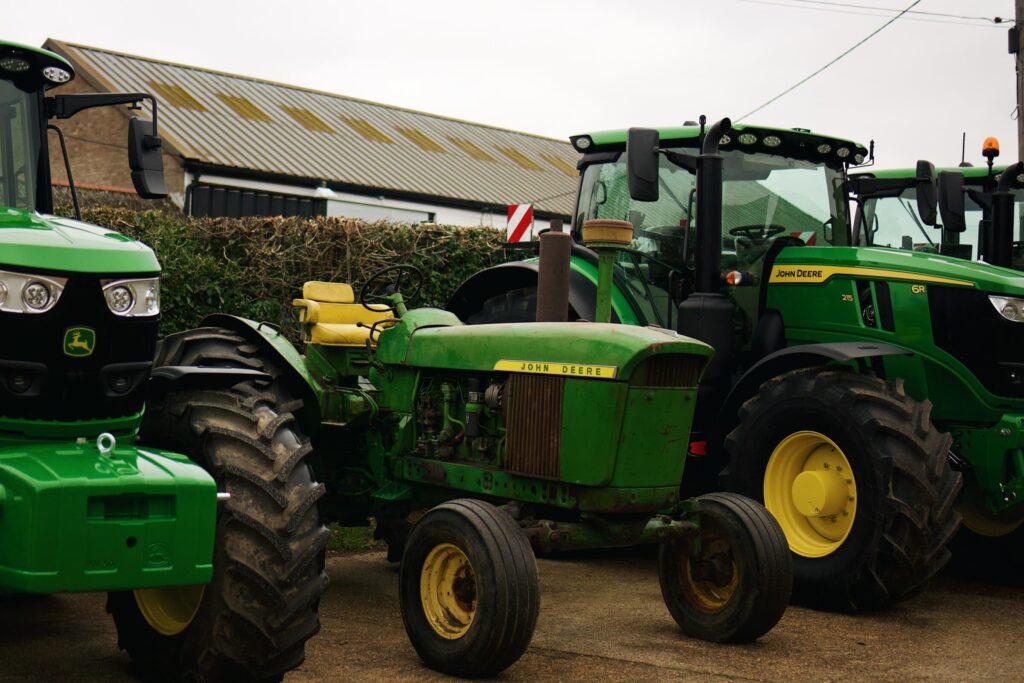
Condition demands careful evaluation. Low purchase price may hide major issues. Severe rust, missing parts, or seized engines can eliminate any savings. A complete but worn tractor often proves a better candidate than one stripped or heavily altered. Original parts increase historical accuracy and overall value. Correct replacements later often require time and expense.
Historical Importance and Collector Appeal
Historical context influences value and satisfaction. Certain tractors mark milestones in agricultural development, such as engine innovation or improved operator comfort. Such machines attract attention at shows and auctions. A project that reflects farming heritage can feel especially meaningful, linking modern enthusiasts with earlier generations.
Influence of Public Interest
Public figures sometimes renew attention toward specific models. Restoration projects by well-known personalities highlight machines worth saving. Exposure through media has brought classic agricultural equipment into wider view, encouraging new enthusiasts. Greater interest often leads to stronger parts supply and community involvement.
Budget Planning

Costs extend beyond purchase price. Parts, tools, paint, and specialist services such as machining or upholstery add up. Some tractors require expensive components due to demand or limited supply. Early research into typical restoration expenses helps set realistic expectations and prevents financial strain during later stages.
Value of Community Support
Active owner groups provide strong advantages. Clubs, forums, and events offer advice and motivation. Experienced restorers share knowledge about specifications, suppliers, and common problems. A model backed by an engaged community makes problem solving easier, especially for newcomers.
Long-Term Value Considerations
Resale potential remains worth thought, even for hobby projects. Popular, historically important tractors in correct specification often hold value well. Quality workmanship and authenticity influence market perception. Careful model selection at the start supports both enjoyment of the project and lasting worth of the finished tractor.
Importance of Reliable Parts Suppliers in Restoration Planning
Suppliers specialising in classic tractor components play a key role in the decision-making process. Access to reliable parts sources can simplify restoration planning and reduce delays. Many restorers look to established specialists such as Masseyparts to ensure they can obtain correct and compatible components throughout the project. Knowing that support exists for the chosen model provides confidence before committing time and resources.
Ultimately, choosing the right tractor model for restoration is about balancing ambition with practicality. A model that aligns with your skills, budget, and goals will make the process far more enjoyable.
By considering availability, mechanical design, historical value, and community support, restorers can select a machine that not only comes back to life but also delivers lasting satisfaction. A thoughtful choice at the beginning lays the foundation for a restoration that is both successful and deeply rewarding.