Understanding Depreciation: How Age and Specs Affect Your MacBook’s Resale Value
Anyone who plans to sell MacBook devices at a fair price needs a clear view of depreciation. Many owners feel surprised at resale offers. Value loss does not follow chance. Age alone does not control price. Hardware, demand, software support, and timing shape outcomes. Sellers who ignore such drivers often accept far lower offers than realistic market value.
How Value Declines Over Time
Depreciation starts on day one. First year brings the sharpest drop as status shifts new to used. Later years often show slower decline than many other laptops. Brand strength, build quality, and long software support help stabilize prices. Not every model benefits equally. Configuration and generation still create gaps.
Processor Generation and Market Perception
Processor type strongly influences resale value. Newer chip design keeps demand higher due to expected support span and performance life. Even small performance gaps affect buyer opinion. Devices closer to current lineup appear safer purchases. Older chip design loses appeal faster once market focus moves forward. Two similar-age units can show clear price difference for that reason.
Memory and Storage Impact
RAM and storage size affect resale more than many sellers expect. Entry-level memory limits buyer pool. Modern software needs more resources. Higher RAM often signals longer usable life. Buyers pay more for that flexibility. Storage size follows similar logic. Very low capacity forces price cuts in second-hand markets.
Physical Condition and Battery Health
Condition shapes price beyond looks. Minor wear feels normal. Visible damage suggests heavy use. Scratches, dents, and key wear reduce buyer trust. Battery state carries strong weight. Weak battery means extra expense soon. Buyers factor replacement cost into offers. Sellers often underestimate that effect.
Software Support Window
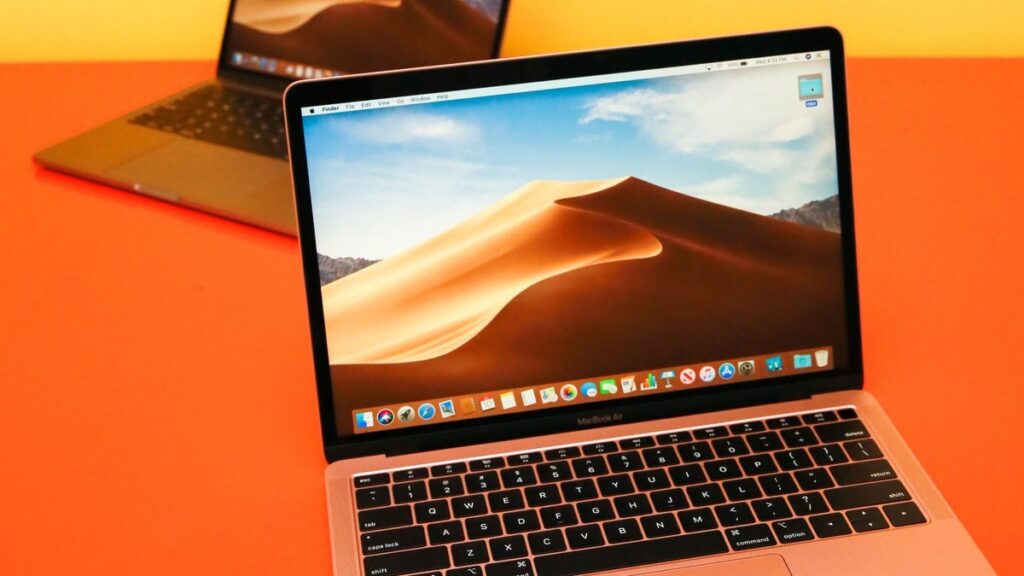
Operating system support timeline plays a silent role. Buyers look at update eligibility. Near end of support cycle, price drop speeds up. Device still works, yet buyer confidence weakens. Sellers who delay sale may face sudden value decline as support expectations shift.
Model Year Versus Product Position
Calendar year alone gives poor value guidance. Multiple MacBook lines release in overlapping cycles. Buyers focus on model position in product range, not only age. Pricing by year alone leads to mistakes. Some older models sit higher in lineup than newer base models.
Market Supply and Timing
Market saturation affects resale value. When many owners sell the same model at once, prices fall. New product releases often trigger that wave. Oversupply reduces leverage even for well-kept devices. Smart timing helps avoid crowded listings and supports stronger resale outcomes.
Accessories and completeness subtly influence depreciation curves. A MacBook sold with its original charger, in good condition, and with clear documentation appears lower-risk to buyers. Missing accessories increase perceived hassle and uncertainty, which accelerates depreciation beyond what age or specs alone would justify. These small details often determine whether a device sells near the top or bottom of its realistic value range.
Usage patterns also matter more than many owners realise.
A lightly used MacBook that spent most of its life on a desk will generally depreciate less than one subjected to constant travel and heavy workloads. While this is not always visible externally, signs such as worn ports, loose hinges, or keyboard shine can influence buyer perception. These signals factor into offers even when sellers believe usage has been “normal.”
Role of Buyer Psychology

Depreciation also reflects buyer mindset. Many buyers approach second-hand deals with caution. Future risk shapes their offers. Uncertainty about condition, compatibility, or lifespan leads to heavier discounts. Clear details, honest pricing, and proof of careful use reduce that fear. Transparency helps slow perceived value loss.
Seller Decisions That Influence Price
A common mistake involves the belief that depreciation stays fixed. Some loss cannot be avoided. Final resale price still depends on seller choices. Timing, preparation, and awareness of demand for certain specs change outcomes. Two identical MacBooks can sell at very different prices due to seller approach.
The Cost of Waiting Too Long
Delay often hurts value. Owners try to extend usage, then face steep decline near major lineup changes. Market interest shifts quickly after new releases. Selling slightly earlier, while demand remains broad, often leads to better return. Device may feel recent, yet market position matters more than personal timing.
Depreciation as a Manageable Factor
Depreciation works as a variable that sellers can manage. Age, specs, condition, and market trends interact. Awareness allows smarter decisions that protect value. Predictability replaces surprise once sellers grasp those patterns.
Aligning Expectations With Market Reality
Anyone who plans to sell MacBook hardware in a smart way needs awareness of depreciation drivers. Total value loss cannot be avoided. Fair outcomes depend on matching expectations with real buyer behavior. Proper insight leads to stronger resale results and fewer sellers who feel shortchanged.