Re-Importing a Previously Exported Vehicle to the UK ─ Rules, Paperwork and Costs Explained
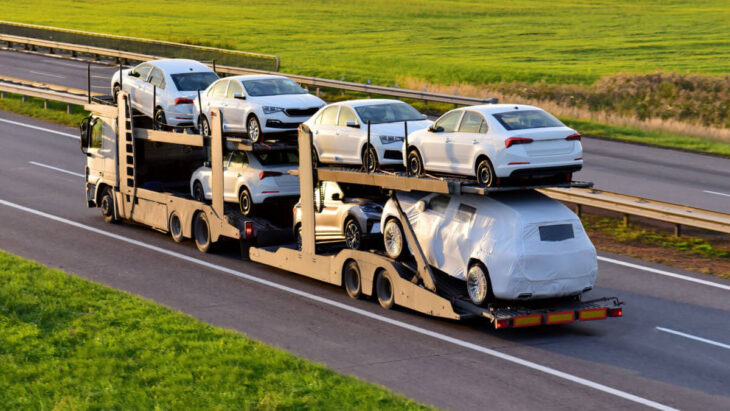
Re-importing a vehicle to the UK is a situation many owners do not anticipate when they first export a car. Circumstances change, overseas moves end, or a vehicle with sentimental or collector value is brought back home.
While re-importing is entirely possible, the process is more involved than simply driving the car back and resuming normal use.
Understanding the rules in advance can make the difference between a smooth return and a drawn-out administrative headache.
How the Vehicle Was Originally Exported
The first factor that affects the process is how the vehicle originally left the UK. If it was temporarily exported and remained on the DVLA register, re-importing is usually straightforward. The car can often return using its existing registration, provided it still meets UK legal requirements.
If the vehicle was permanently exported and removed from the DVLA system, the process becomes more formal and resembles importing a car that has never been registered in the UK before.
Customs Clearance and NOVA Declarations
Customs clearance is one of the first hurdles. Vehicles entering the UK must be declared to HMRC, even if they were previously UK-registered. Depending on the circumstances, you may need to complete a NOVA (Notification of Vehicle Arrivals) declaration. This allows HMRC to assess whether VAT or duty is payable.
In many cases, returned UK vehicles qualify for relief, but this is not automatic and must be properly documented.
Required Documentation and Proof of Origin

Documentation is central to a successful re-import. Owners should be prepared to provide proof of previous UK registration, evidence of export, and documentation showing how long the vehicle has been abroad.
Shipping paperwork, old V5C records, and foreign registration documents can all be relevant. Missing paperwork is one of the most common causes of delays, particularly when trying to prove that the vehicle originated in the UK.
Registering the Vehicle with the DVLA
Once customs matters are settled, the vehicle must be registered with the DVLA. For vehicles that were permanently exported, this typically involves applying for a new V5C.
The DVLA may require an inspection or evidence that the vehicle complies with UK standards, especially if it has been modified while abroad. Lighting, emissions, and speedometer requirements are areas that often need attention before approval is granted.
Number Plates and Registration Issues
Number plates can add another layer of complexity. If the vehicle retained its original registration during export, it may be possible to resume using the same plate.
If the registration was lost or surrendered, the DVLA will usually issue an age-related plate based on the vehicle’s year of manufacture. This is a particular concern for owners of cherished or personalised registrations, which cannot usually be reclaimed once lost. This is why people researching re-imports often come across Regplates during wider discussions about plate history, retention, and reassignment.
Insurance Considerations for Re-Imported Vehicles
Insurance is another practical consideration that should not be overlooked. A re-imported vehicle must be insured before it can be taxed and legally driven on UK roads.
Some insurers are cautious with re-imports, particularly if the vehicle has been registered abroad, so it is wise to arrange cover early and confirm that the insurer is satisfied with the vehicle’s status.
Costs Involved in Re-Importing
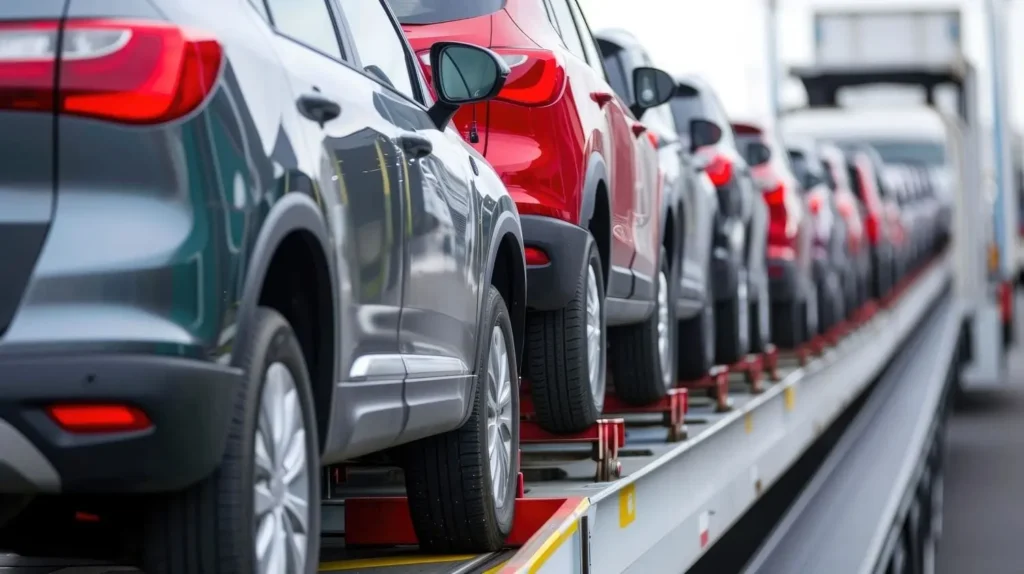
Costs associated with re-importing can vary widely. Shipping fees, customs charges, DVLA application fees, potential inspections, and any required modifications can quickly add up.
Even when VAT and duty are not payable, administrative costs alone can be significant. Owners should budget conservatively and allow for unexpected expenses, particularly if documentation is incomplete or standards compliance becomes an issue.
Timeframes and Planning Ahead
Timing is another important factor. Re-importing a vehicle is rarely instant. Customs processing, DVLA checks, and paperwork reviews can take weeks or even months.
Planning ahead is essential, especially if the vehicle is needed for daily use. Temporary transport arrangements may be necessary while the process is completed.
Final Thoughts
Finally, it is worth considering whether re-importing is the best option at all. For some vehicles, particularly those with low market value, the costs and effort involved may outweigh the benefits.
For others, such as classic cars or vehicles with personal significance, the process can be well worth it. Making an informed decision early can prevent frustration later.
Re-importing a previously exported vehicle to the UK is entirely achievable, but it requires patience, organisation, and a clear understanding of the rules.
By preparing documentation, budgeting realistically, and allowing enough time for approvals, owners can bring their vehicle back into the UK system with minimal stress and fewer surprises.