
What Return to Player Really Means in Casino Games
Open almost any casino game and you will find a percentage somewhere in the info screen, usually between 85% and 99%. Most players glance at it and move on. Return to player, or RTP, sounds like a promise that a certain share of every bet will come back to you. It is not a promise. It is a long-run statistical measure, and it only becomes meaningful over very large numbers of plays. Understanding that gap between the number and your own evening at the tables is the key to reading it properly.
What RTP Actually Measures
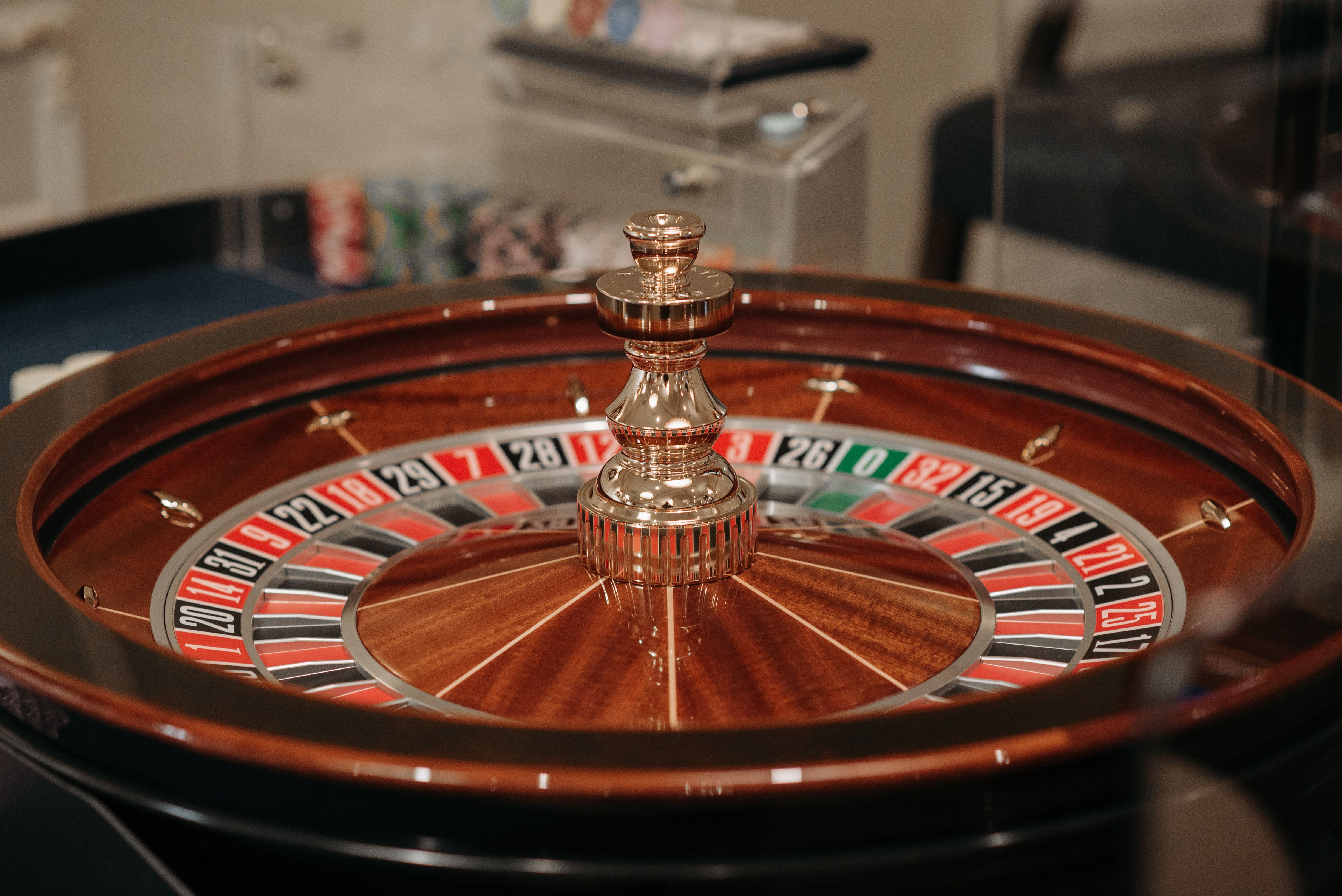
A classic roulette wheel, where the house edge is built into every spin.
Return to player is the share of all money wagered on a game that is paid back to players as winnings over the game’s lifetime. A slot with a 96% RTP is designed to return 96 units for every 100 wagered, but that figure is calculated across a huge volume of spins, not across your next hour of play. Put simply, RTP describes the average behaviour of the game across all players, not the outcome for any single person.
The number also says nothing about how wins are distributed. One player might collect a single large prize while thousands of others see small, frequent returns. Both outcomes can sit inside the same RTP.
The Math Behind the Percentage
Regulators treat RTP as an average over many games, not as a guaranteed payback. The UK Gambling Commission explains that for gaming machines the figure is measured over a significant number of plays, and it notes that there is no minimum RTP set for a machine. Its guide to return to player and gaming machine payouts is a clear starting point if you want the regulatory view.
The flip side of RTP is the house edge, which is simply 100% minus the RTP for a given bet. Take American roulette. The wheel has 38 pockets, but a winning single-number bet pays 35 to 1 rather than the 38 to 1 that the odds would justify. That gap works out to a house edge of about 5.26%. Across many spins, the casino keeps roughly that share of what is wagered, while the rest flows back to players.
Why One Session Tells You Very Little

Chips, dice and cards on a table: every session is a small sample of a much larger pattern.
This is where most confusion starts. A game with a 96% RTP does not mean you will get back 96 pence from every pound you stake during a single visit. Over a short run, you can be well ahead or well behind the expected figure. Each spin is independent, so a losing streak does not make a win more likely in the next round, and a winning streak does not make the game any more generous.
Many players try to reduce that uncertainty by comparing operators before they start. Crazyvegas, a comparison site focused on payouts, publishes rankings that can help you see how different platforms stack up before you commit any money: https://www.crazyvegas.com/au/online-casinos/best-payout/
The House Edge Is the Other Half of the Story
Because RTP and house edge are two sides of the same coin, the most useful question is not “what is the RTP?” but “which game leaves me with the smallest expected loss?” Blackjack played with basic strategy and baccarat banker bets typically carry a low house edge, while many slot machines sit at a considerably higher one. Craps and sic bo vary sharply depending on which bet you choose.
That variation matters more than most players realise. Two games that look similar on the surface can have very different long-run costs, and the difference is often visible in the game rules or help screen. Checking that single number before you sit down is one of the cheapest forms of research available.
Checking Whether a Game Performs as Advertised
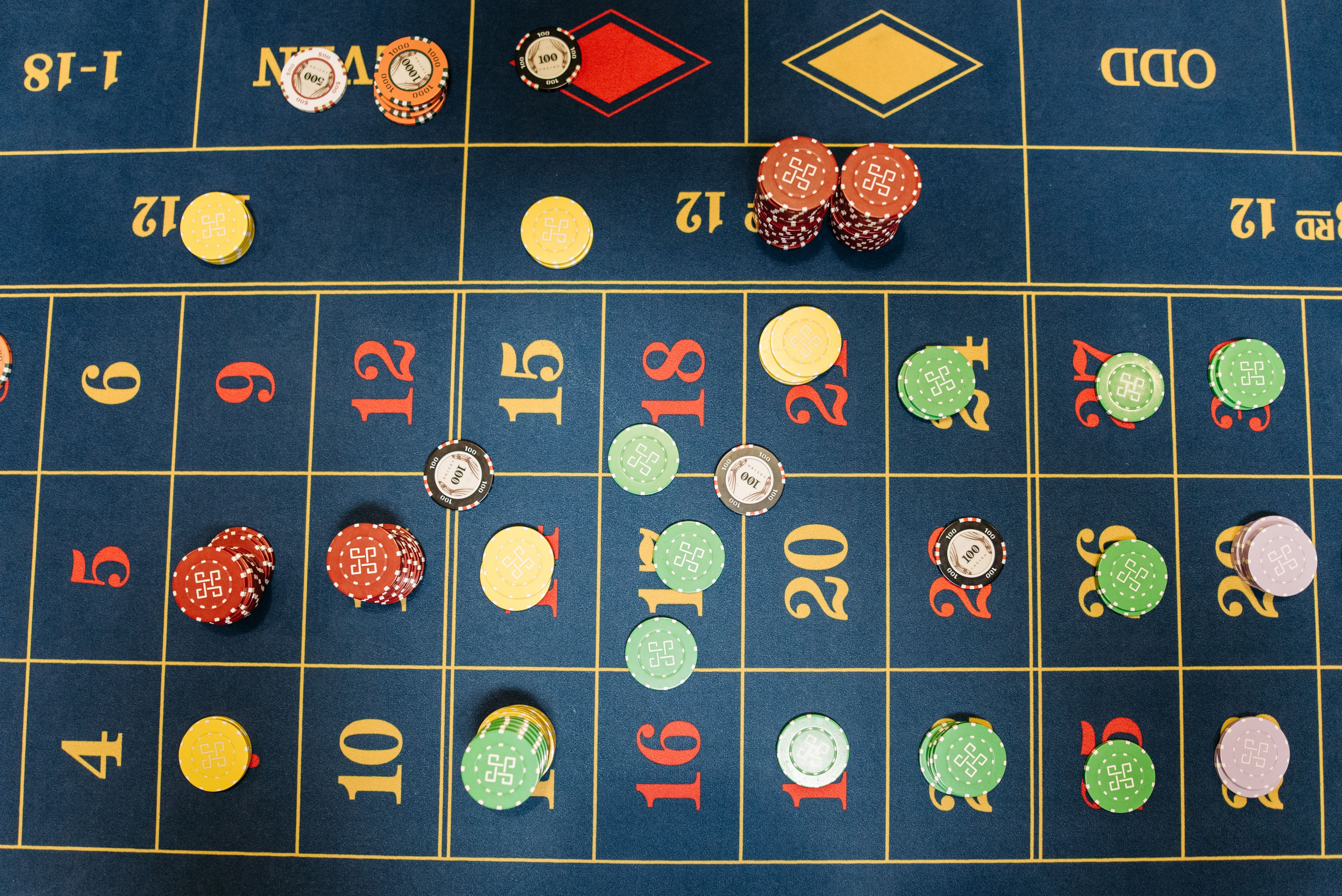
An aerial view of a roulette table, showing how a game’s layout and betting options shape its expected return.
A stated RTP is a design target, and in regulated markets it is tested. The Gambling Commission shows how actual performance is compared against the theoretical figure: wins are divided by turnover to produce an observed RTP, and the acceptable tolerance narrows as the number of plays grows. A game can drift away from its target over a short period without being faulty, which is why tolerance ranges exist at all. You can read the method in the regulator’s guide on how to calculate return to player.
For players, the practical takeaway is simpler. Treat RTP as a comparison tool between games, not as a forecast for your own results.
Reading RTP With Realistic Expectations
Return to player is genuinely useful. It tells you which games are designed to keep more of your money in circulation and which ones keep more for the house. It does not tell you what will happen tonight, how quickly your balance will move, or whether a particular bonus round will land. Use it to choose between options, set a budget you can afford to lose, and remember that the percentage describes the crowd, not you.